Part III of Vows, Oaths, and Geasa
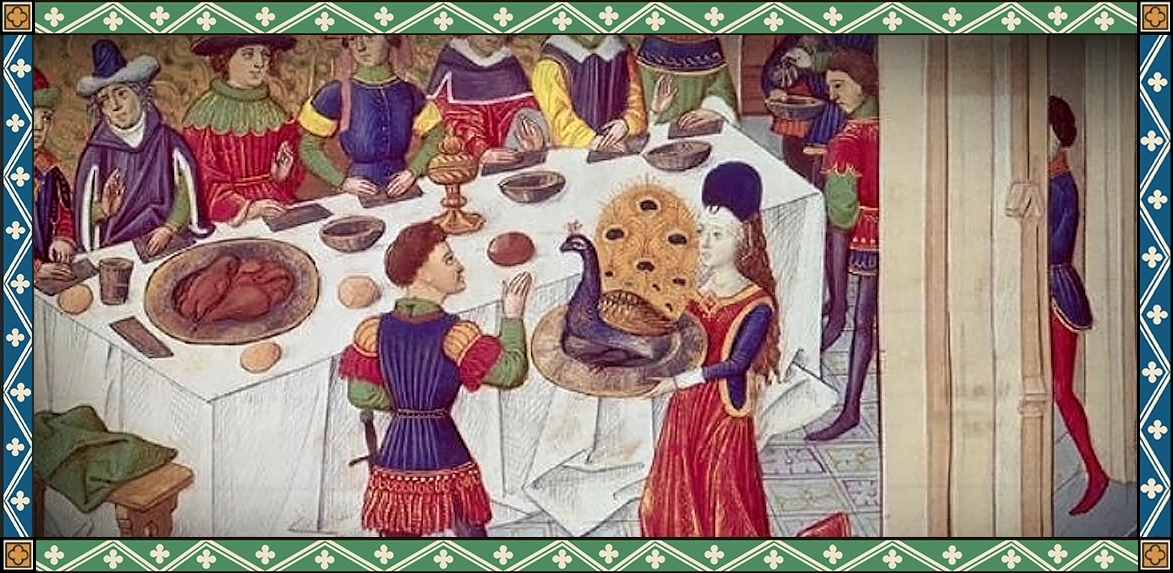
This is the last article in our series on what happens when Dolmenwood knights make (and break) promises. If you missed the earlier parts, Part One took another look at the Vow of the Peacock, and Part Two dug into Saintly Oaths. In both cases, the knight made the pledge of their own free will. But as you’ll see, some promises show up wrapped in shiny paper and are a lot harder to turn down.
AVOW PUTS A KNIGHT’S CHARACTER to the test, and an oath sworn before a saint tests their faith. A geas isn’t a test at all. It’s a gift that fate can turn against them. The old Irish tales are full of heroes saddled with geasa, prohibitions laid on them at birth or by a druid, a king or a lover, sometimes with a boon attached. Problem is, if an enemy finds out about your geas, they can use it to set a trap for you.
Take Cú Chulainn, the great hero of the Ulster Cycle, whose name means “Culann’s Hound.” Fittingly, he was forbidden from eating dog flesh, but, oddly enough, also forbidden to pass a cooking fire without sharing in the meal. Toward the end of his story, he came across three hags roasting a dog by the road he was traveling. They invited him to eat. No matter what he did, the hero broke a geas. He died in battle shortly afterward. That’s the old lesson of the geas: the greater the hero, the more obligations they carry, and the more ways fate can set them against each other.
This weird and seemingly rando combination of gift and curse feels right at home in Dolmenwood, whose fairy lords love to hand out favors. But there are always strings attached—and those strings always seem to matter most when you least want them to.
(more…)